Assessing Your Roof's Risk: What Homeowners Should Know
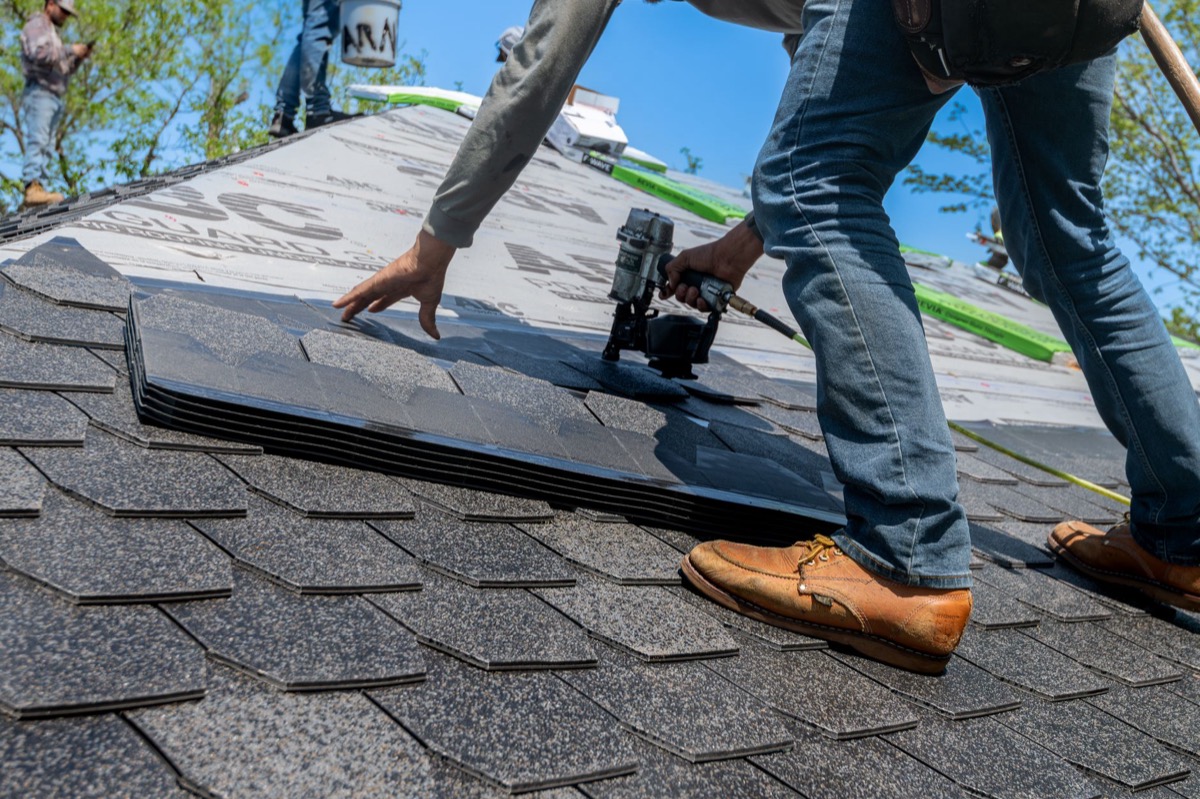
Recent industry reports, like those from the National Roofing Contractors Association (NRCA) highlighted by GlobeNewswire, emphasize the growing importance of proactive roof care. These insights suggest that roof risks can escalate even during periods without major storm activity, underscoring the critical importance of understanding and addressing potential vulnerabilities before they escalate.
Ignoring minor problems can lead to significant and costly damage down the line. By recognizing the signs of wear and tear, understanding common roof risks, and performing regular checks, you can extend your roof's lifespan, maintain your home's integrity, and potentially save thousands in unexpected repairs.
Understanding Common Roof Vulnerabilities
Your roof is constantly exposed to the elements, and over time, various factors can compromise its integrity. Recognizing these common vulnerabilities is the first step in effective preventative roof maintenance.
- Age and Material Degradation: Even the most durable roofing materials have a finite lifespan. As shingles, tiles, or metal panels age, they become more brittle, lose protective granules, and are less resistant to impacts and moisture.
- Weather Exposure: Beyond severe storms, everyday exposure to UV rays, temperature fluctuations, and consistent rainfall or snow can gradually wear down your roof. High winds can lift shingles, while hail can cause unseen impact damage.
- Poor Drainage and Water Accumulation: Clogged gutters and downspouts can lead to water pooling on your roof or overflowing, causing fascia damage, wood rot, and water intrusion into your home. Proper gutter and downspout sizing is crucial.
- Attic Ventilation Issues: Inadequate attic ventilation can trap heat and moisture, leading to premature aging of roofing materials, mold growth, and ice dam formation in colder climates.
- Trees and Debris: Overhanging branches can scrape and damage roofing materials, drop leaves and needles that clog gutters, and pose a fall risk during storms. Accumulated debris on the roof can trap moisture, encouraging rot and granule loss.
- Flashing Failures: Flashing around chimneys, skylights, vents, and wall junctions is critical for sealing out water. Deteriorated, rusted, or improperly installed flashing is a common point of leaks.
Your Preventative Roof Inspection Checklist
Regular visual inspections are a cornerstone of preventative roof maintenance. While it's always safest to leave roof climbing to professionals, many key indicators can be spotted from the ground with binoculars, or safely from a ladder if you're comfortable. Aim for inspections twice a year – typically in spring and fall – and after any significant weather event.
- From the Ground Up: Walk around your home and look for obvious signs of damage. Are there any missing, cracked, curling, or blistered shingles? Is there excessive granule loss visible in your gutters or on the ground? Note any areas where the roof appears to sag or be uneven.
- Check Your Gutters and Downspouts: Ensure they are clear of leaves, twigs, and other debris that can impede water flow. Look for signs of corrosion or damage.
- Inspect Flashing: Pay close attention to the metal flashing around chimneys, skylights, vents, and in valleys. Look for gaps, rust, or signs it has pulled away from the roof surface.
- Examine Soffits and Fascia: These components protect your roof's edge and ventilation system. Look for signs of rot, holes, or pest entry.
- Look for Interior Warning Signs: Inside your home, especially in the attic, look for water stains on ceilings or walls, damp insulation, or signs of mold or mildew. These are clear indicators of a leak.
- Consider Tree Proximity: Trim any branches that are touching or overhanging your roof to prevent damage and debris accumulation.
When to Call a Roofing Professional
While preventative roof maintenance involves proactive homeowner vigilance, certain situations always warrant calling a qualified roofing professional. Safety should be your primary concern; walking on a roof can be dangerous and should only be attempted by those with proper training and equipment.
- Active Leaks or Water Damage: If you've discovered water stains or drips inside your home, it's crucial to have a professional pinpoint the source and assess the extent of the damage quickly.
- Significant Visible Damage: Large areas of missing shingles, obvious structural damage, or extensive storm damage require immediate professional assessment and repair.
- Post-Storm Assessment: After a major hailstorm or high-wind event, even if no obvious damage is visible from the ground, a professional inspection can identify hidden issues that could lead to future leaks or premature roof failure. For insurance purposes, understanding how to navigate a roof insurance claim can be vital.
- Routine Professional Inspections: Even with your own visual checks, a professional can conduct a more thorough inspection, identifying subtle issues you might miss and providing an expert assessment of your roof's overall condition and remaining lifespan.
- Before Buying or Selling a Home: A roof inspection is a key part of a home inspection, providing peace of mind for buyers and helping sellers address issues proactively.
- Any Time You're Unsure: If you're ever in doubt about the condition of your roof or the severity of a problem, don't hesitate to consult an expert.
6/12 roof pitch — rise, run, and angle
Key Takeaways
- Regular preventative roof maintenance, including visual inspections, helps identify and address minor issues before they become costly problems.
- Understanding common roof vulnerabilities like age, weather, and poor drainage allows for targeted checks.
- Perform ground-level visual inspections semi-annually and after severe weather to spot early signs of damage.
- Never compromise safety; defer climbing onto the roof and complex assessments to qualified roofing professionals.
- Proactive care extends your roof's lifespan, protects your home's value, and prevents unexpected repair expenses.
Try It Yourself — Free
Taking preventative measures now can significantly reduce future roof repair costs. When planning any roof work or simply evaluating its condition, our free roofing calculator can assist you with preliminary estimates for materials and size. You can also explore our guide on how to measure a roof for accurate project planning.
Related Resources
- Attic Ventilation Guide
- Gutter Downspout Sizing Guide
- How Many Shingles Do I Need
- How to Measure a Roof
- Complete Guide
More From Our Network
- Duct Size Calculator — same niche
- cyberfrad — our network
Sources
- GlobeNewswire / NRCA — National Roofing Contractors Association (NRCA) emphasizes the growing importance of proactive roof care and maintenance.