Financing Your Roof Replacement: HELOCs & Other Options
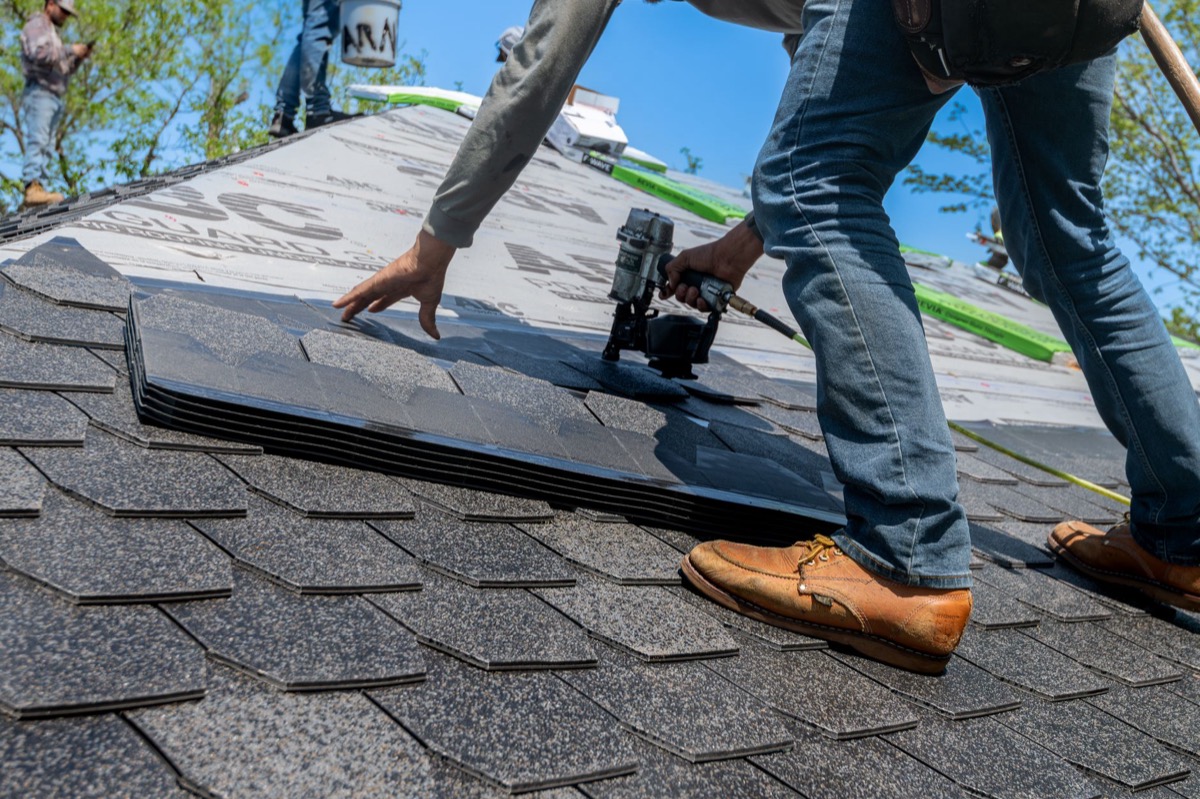
Facing a sudden roof failure can be daunting, especially when considering the significant investment required for replacement. A recent Benzinga article highlighted this dilemma, featuring a homeowner with substantial equity wondering if a Home Equity Line of Credit (HELOC) is the right solution for an unexpected roof repair. While the specific situation mentioned involved a large sum, the core challenge of financing a critical home improvement like a new roof is common for many.
Whether your roof failure is sudden or you're planning a necessary upgrade, understanding your financing options is crucial. This guide explores popular ways homeowners fund roof replacements, comparing the benefits and drawbacks of each to help you make an informed decision.
Leveraging Your Home Equity: HELOCs and Home Equity Loans
When you have substantial equity in your home, borrowing against it can be an attractive option for large expenses like a roof replacement. Two primary ways to do this are a Home Equity Line of Credit (HELOC) and a Home Equity Loan.
- Home Equity Line of Credit (HELOC): A HELOC functions similarly to a credit card, allowing you to borrow funds as needed up to a set limit over a draw period. You only pay interest on the amount you've actually borrowed. HELOCs often come with variable interest rates, meaning your monthly payments can fluctuate, which can be a pro or con depending on market conditions. They offer flexibility, which can be useful if your project costs are uncertain.
- Home Equity Loan: Also known as a second mortgage, a home equity loan provides a lump sum of money upfront. It typically has a fixed interest rate and a predictable repayment schedule, making budgeting easier. You begin repaying the principal and interest immediately.
Pros of Home Equity Financing: Generally, these loans offer lower interest rates compared to unsecured options because your home serves as collateral. The interest paid on home equity debt may be tax-deductible under certain conditions if the funds are used to buy, build, or substantially improve the home that secures the loan, such as a roof replacement. (Consult a tax professional for advice on your specific situation.)
Cons of Home Equity Financing: The major drawback is that your home is collateral. If you default on payments, your lender could foreclose on your property. Both options require a decent credit score and sufficient home equity for approval. Remember that the amount you can borrow is usually limited to a percentage of your home's equity.
Unsecured Options: Personal Loans and Credit Cards
If you prefer not to use your home as collateral or don't have enough equity, unsecured options like personal loans or credit cards might be considered.
- Personal Loans: These are installment loans often offered by banks, credit unions, and online lenders. They can be a good option for a roof replacement as they typically offer fixed interest rates and fixed monthly payments over a set period. Approval is based on your creditworthiness, and while interest rates are generally higher than home equity products, they are usually lower than credit cards.
- Credit Cards: For very minor roof repairs, using a credit card might seem convenient. However, for a full roof replacement, which can be a significant expense, credit cards typically carry much higher interest rates and can lead to accumulating substantial debt quickly. Some homeowners might consider a 0% APR promotional card if they are confident they can pay off the balance within the introductory period, but this carries considerable risk for a large project.
Pros of Unsecured Financing: Your home is not used as collateral, meaning there's no risk of foreclosure if you default. The application process can often be faster than for home equity products, and funds can be disbursed quickly.
Cons of Unsecured Financing: Higher interest rates are the most significant disadvantage, especially for credit cards. Loan amounts for personal loans might not cover the entire cost of a roof replacement, and repayment terms can be shorter, leading to higher monthly payments.
Contractor Financing and Government Assistance Programs
Beyond traditional loans, other avenues can help fund your roof replacement, particularly if you qualify for specific programs or if your chosen contractor offers flexible payment options.
- Contractor Financing: Many reputable roofing companies partner with lenders to offer financing directly to their customers. This can be convenient, often providing quick approval and sometimes promotional interest rates (e.g., 0% for a period). However, compare these offers carefully; interest rates can sometimes be higher than what you might find through a bank, or the terms might be less flexible. Always get multiple quotes and financing offers to ensure you're getting a competitive deal.
- Government Loan Programs: Certain federal, state, and local programs can assist homeowners with home improvements, including roof replacements. For example, the Federal Housing Administration (FHA) offers Title I loans, which are fixed-rate loans for property improvements. Additionally, programs focused on energy efficiency might provide loans or grants for roofing materials that meet specific criteria, as a new, energy-efficient roof can significantly reduce heating and cooling costs. Research local housing authorities and energy departments for available programs in your area.
Considerations: Contractor financing can streamline the process but might limit your choices. Government programs can offer favorable terms but often have strict eligibility requirements and application processes. Always thoroughly research and compare options to find the best fit for your situation.
Planning Your Roof Replacement and Financing Strategy
Before committing to any financing, it's essential to have a clear understanding of your project's scope and cost. Start by getting detailed estimates from several reputable roofing contractors. Our free roofing calculator can help you estimate material needs, and our How to Measure a Roof guide can assist in preparing for accurate quotes.
Consider your financial situation, including your credit score, existing debt, and the amount of equity in your home. Weigh the pros and cons of each financing option against your personal risk tolerance and budget. For instance, while a HELOC might offer lower interest rates, its variable nature might be less appealing if you prefer predictable payments. A personal loan offers certainty but at a potentially higher interest rate.
A new roof is a significant investment that protects your home and can even improve its energy efficiency and curb appeal. By carefully evaluating your financing choices, you can ensure your roof replacement is not only structurally sound but also financially manageable.
6/12 roof pitch — rise, run, and angle
Key Takeaways
- HELOCs and home equity loans leverage your home's equity, offering lower interest rates but using your home as collateral.
- Personal loans provide unsecured funds with fixed rates, while credit cards are generally only suitable for minor repairs due to high interest.
- Contractor financing can be convenient, but always compare offers, while government programs like FHA Title I loans offer specialized assistance.
- Always obtain multiple, detailed project estimates from roofing contractors before committing to any financing plan.
- Carefully compare interest rates, repayment terms, and associated risks of each financing option to find the best fit for your budget and financial situation.
Try It Yourself — Free
Ready to start planning your roof replacement? Use our free roofing calculator to estimate materials and costs, and check out our Roof Area Calculator for more precise measurements.
Related Resources
- Attic Ventilation Guide
- Gutter Downspout Sizing Guide
- How Many Shingles Do I Need
- How to Measure a Roof
- Complete Guide
More From Our Network
- Duct Size Calculator — same niche
- cyberfrad — our network
Sources
- Benzinga — Original report
- Internal Revenue Service (IRS) — Interest paid on home equity loans may be tax-deductible under certain conditions.