Homeowner Grants for Fortified Roofing: How to Apply
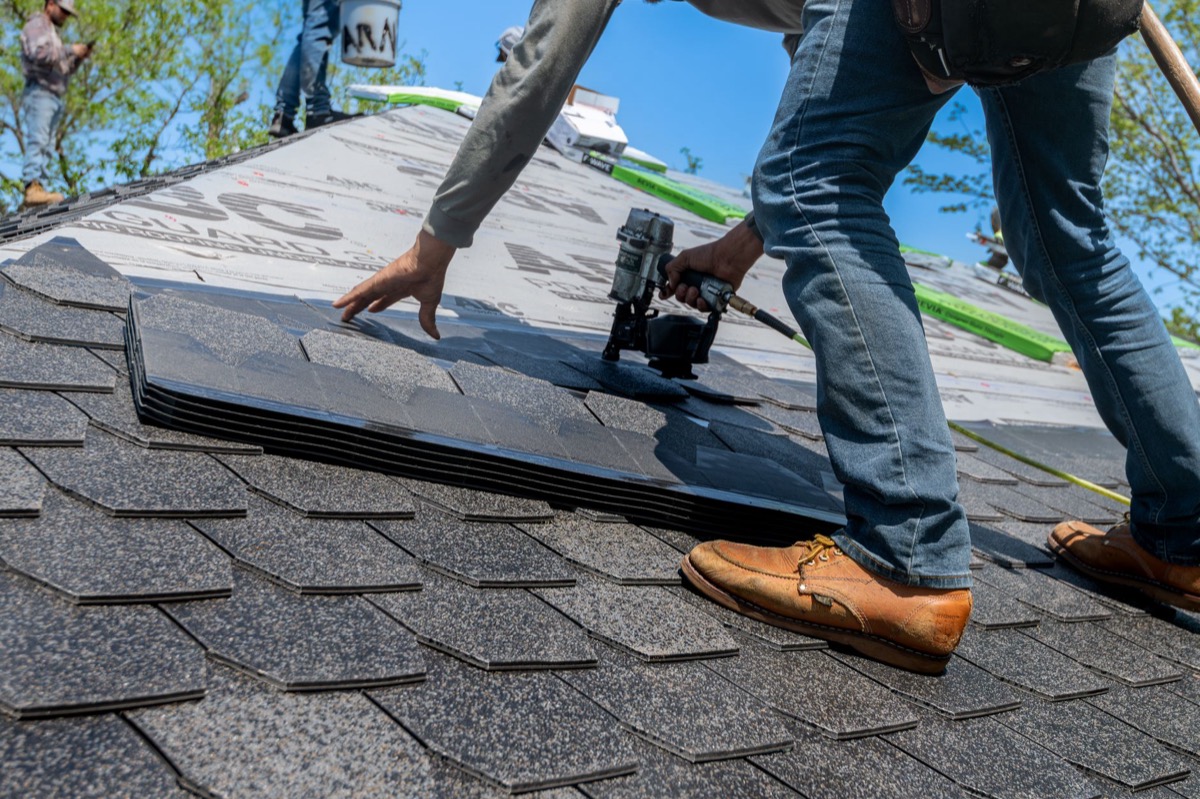
Recent news, like the announcement of "3,000 fortified roof grants up for grabs" for Louisiana homeowners, highlights a valuable opportunity for improving home safety and resilience. While specific programs vary by location and availability, such initiatives are becoming more common as communities prioritize storm-resistant construction. These grants aim to help homeowners offset the significant cost of upgrading to a fortified roofing system, which can provide enhanced protection against severe weather events.
If you're considering a more resilient roof for your home, understanding how to find and apply for these homeowner grants for fortified roofing can be a crucial step in making your project more affordable. This guide will walk you through what fortified roofing entails, why these grants exist, and how you can navigate the application process to potentially secure funding for your roof upgrade.
What is a Fortified Roof?
A fortified roof is a roofing system engineered and installed to specific standards set by organizations like the Insurance Institute for Business & Home Safety (IBHS) to resist damage from high winds, hail, and other severe weather. Unlike standard roofing installations, FORTIFIED Home™ roofs, for example, involve a system of upgrades that can include:
- Stronger Sheathing Attachment: Using more nails and specific patterns to secure roof sheathing to the trusses or rafters.
- Sealed Roof Deck: Applying a self-adhering membrane or taped seams to create a secondary water barrier, protecting the home even if shingles are blown off.
- Impact-Resistant Shingles/Materials: Utilizing roofing materials rated to withstand specific wind speeds and hail impacts.
- Reinforced Gable Ends: Strengthening vulnerable parts of the roof structure.
- Enhanced Perimeter Fastening: Ensuring edges, eaves, and rakes are securely attached to prevent wind uplift.
These enhancements are designed to keep the roof intact and prevent water intrusion during extreme weather, significantly reducing the likelihood of extensive damage and potentially lowering future roof insurance claims. The goal is to build a roof that is not just repaired, but genuinely resilient.
Why Are Fortified Roof Grants Available?
Fortified roof grants and incentive programs are primarily driven by a desire to reduce economic losses from natural disasters, enhance public safety, and make communities more resilient. Here's why various entities offer them:
- Reduced Disaster Costs: Governments and insurers recognize that investing in pre-disaster mitigation, like fortified roofing, can prevent far greater costs associated with post-disaster recovery, aid, and reconstruction.
- Lower Insurance Premiums: Homes with fortified roofs often qualify for significant discounts on homeowners insurance premiums due to their proven resilience. Grant programs can help homeowners make the upfront investment that leads to long-term savings.
- Community Resilience: Widespread adoption of fortified building standards strengthens entire communities, allowing them to recover more quickly after severe weather events.
- Public Safety: A stronger roof means a safer home for its occupants during a storm, reducing injuries and displacement.
These grants are typically funded through state and federal disaster mitigation programs, insurance premium taxes, or private initiatives, reflecting a collective effort to build safer, more sustainable homes.
Where to Find Fortified Roof Grants
Finding fortified roof grants requires diligent research, as programs are often localized and have specific eligibility criteria. Here are the primary avenues to explore:
- State-Specific Programs: Many coastal and storm-prone states offer their own grant programs. For example, states like Florida, Louisiana, and North Carolina have historically provided or currently offer significant incentives for resilient home improvements. Check your state's Department of Insurance or Emergency Management websites.
- Local Government Initiatives: Some counties or municipalities may have programs, often tied to federal funding from agencies like the Federal Emergency Management Agency (FEMA) for hazard mitigation. Inquire with your local city or county planning department.
- Insurance Company Incentives: While not direct grants, some insurance companies offer rebates or substantial premium discounts for FORTIFIED certified roofs. Contact your current or prospective insurer to learn about their incentives.
- Non-Profit Organizations: Certain non-profits focused on disaster preparedness or community development may provide referrals to available funding. Direct financial assistance from non-profits for FORTIFIED upgrades specifically is rare and typically limited to particular geographic areas or income brackets — treat this as a secondary avenue and confirm any program's current status before applying.
- Federal Programs: FEMA offers various hazard mitigation assistance grants, though these are typically administered through state and local governments. They might fund projects that include fortified roofing as part of a broader mitigation effort.
Always prioritize official government and well-established organizational websites to ensure the information is accurate and legitimate.
How to Apply for Fortified Roof Grants
Applying for fortified roof grants generally involves several key steps. While specifics will vary by program, this outline provides a common framework:
- Research Eligibility Requirements: Each grant program has strict criteria. These might include your home's location, age, current roof condition, income limits, or requiring the property to be your primary residence. Understand these fully before proceeding.
- Gather Necessary Documentation: You'll likely need proof of homeownership, identification, income verification, property tax statements, and potentially details about your current insurance policy.
- Obtain Professional Estimates: Grant applications almost always require detailed quotes from licensed and insured roofing contractors. These estimates should clearly outline the scope of work, specifying the fortified roofing materials and installation methods to be used. Our free roofing calculator can help you get an initial idea of material needs, but you'll need professional bids for the application. You might also find our How to Measure a Roof guide useful for understanding estimates.
- Complete the Application Form: Fill out the application accurately and completely. Missing information is a common reason for delays or rejections.
- Submit Supporting Materials: Attach all required documents, estimates, and any other requested information. Pay close attention to submission deadlines and methods (online portal, mail, in-person).
- Follow Up: After submission, keep track of your application status and be prepared to provide additional information if requested.
6/12 roof pitch — rise, run, and angle
Key Takeaways
- Fortified roof grants help homeowners upgrade to storm-resistant roofing, reducing disaster risks and costs.
- These grants are often available through state, local, and sometimes federal programs, as well as insurance incentives.
- Eligibility typically depends on location, home characteristics, and specific program criteria.
- The application process requires thorough research, gathering documentation, and obtaining detailed contractor estimates.
- Investing in a fortified roof can lead to long-term savings through reduced insurance premiums and minimized storm damage.
Try It Yourself — Free
When planning your fortified roof project, use our free roofing calculator to estimate materials and get started on understanding potential costs. For further guidance on roof measurements, check out our How to Measure a Roof guide.
Related Resources
- Attic Ventilation Guide
- Gutter Downspout Sizing Guide
- How Many Shingles Do I Need
- How to Measure a Roof
- Complete Guide
More From Our Network
- Duct Size Calculator — same niche
- cyberfrad — our network
Sources
- WWLTV.com — Original report
- Insurance Institute for Business & Home Safety (IBHS) — Description of FORTIFIED Home™ standards and benefits.