The Hidden Costs of Delaying Your Roof Replacement
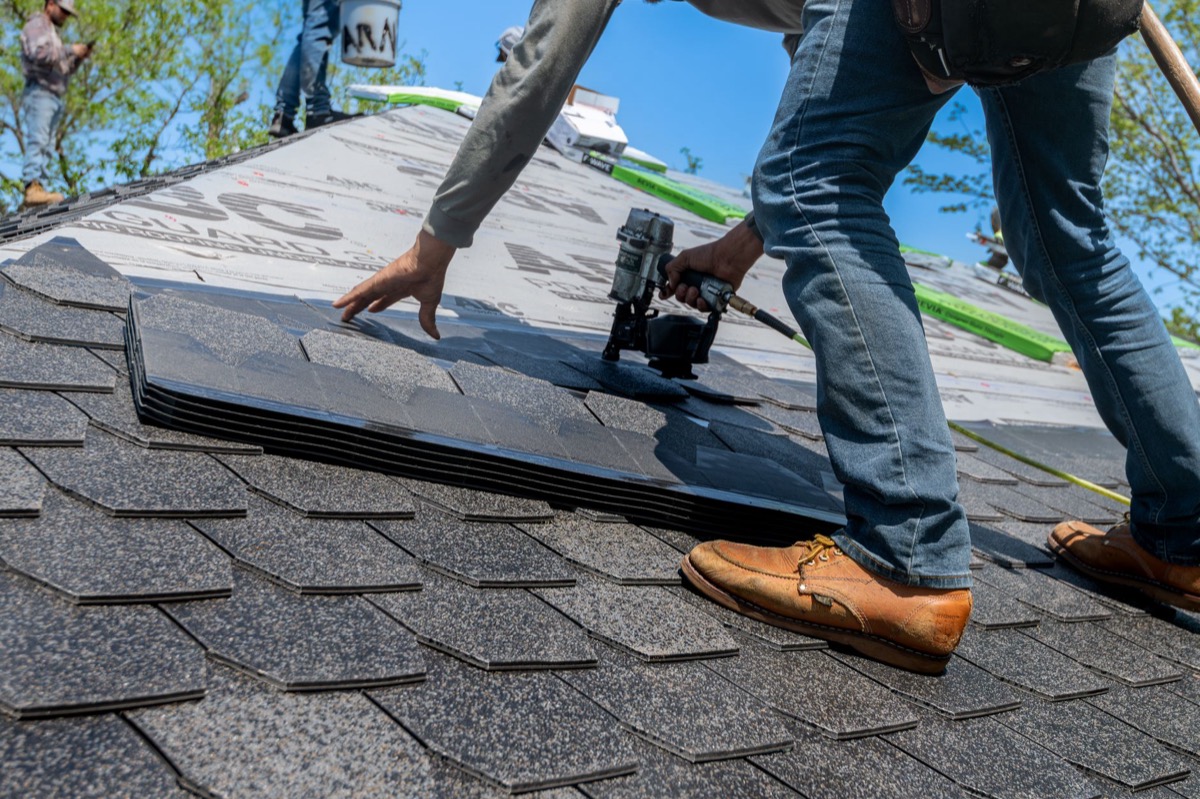
A recent article highlighted in GazetteXtra noted that "Waiting to replace your roof could cost more than you think." This statement resonates deeply with homeowners, as postponing a necessary roof replacement often leads to a cascade of expensive problems that are far less visible than a missing shingle.
Understanding when to replace your roof is crucial for your home's long-term health and your financial well-being. Procrastination doesn't save money; it merely defers the inevitable, often with a hefty interest rate in the form of increased repair costs, structural damage, and diminished home value.
Minor Leaks Lead to Major Headaches
Small issues, like a few cracked shingles or a tiny leak, might seem insignificant. However, these are often the first signs that your roof's protective layer is compromised. Ignoring them allows water to infiltrate the underlying structure, leading to more extensive damage over time.
- Water Damage: What starts as a drip can rot roof decking, rafters, and even ceiling joists. This structural damage can weaken your home's integrity, potentially requiring costly repairs beyond just the roof itself.
- Mold and Mildew: Persistent moisture creates an ideal breeding ground for mold, which can spread rapidly into your attic, walls, and living spaces. This poses significant health risks for occupants and necessitates expensive remediation to remove. For more information, the U.S. Environmental Protection Agency (EPA) offers extensive resources on mold cleanup and prevention.
- Pest Infestations: Damp, rotting wood attracts termites, carpenter ants, and other pests that can further compromise structural elements and infest your home, adding another layer of expense and damage.
Skyrocketing Energy Bills and Poor Indoor Air Quality
A failing roof isn't just about water; it's also about compromised insulation and ventilation. Gaps, cracks, and general deterioration allow conditioned air to escape and unconditioned air to enter, making your home less efficient.
- Increased Energy Consumption: Your HVAC system has to work harder to maintain comfortable indoor temperatures because air is leaking in and out through a degraded roof. This leads to significantly higher heating and cooling costs, as detailed by the U.S. Department of Energy.
- Reduced Insulation Effectiveness: Water damage can compress and ruin attic insulation, further reducing its R-value and exacerbating energy loss. For insights into maintaining proper airflow and insulation, consult our Attic Ventilation Guide.
- Compromised Air Quality: Mold, mildew, and airborne allergens from a deteriorating roof can circulate through your home's ventilation system, negatively impacting indoor air quality and potentially affecting residents with respiratory issues.
Diminished Curb Appeal and Home Value
Your roof is a significant component of your home's exterior aesthetic and overall value. A visibly old, worn, or damaged roof can deter potential buyers and reduce your property's market appeal and resale value.
- Lower Appraisal Value: During a home appraisal, a roof nearing the end of its lifespan or showing signs of significant damage will be noted, potentially reducing the appraised value of your home. This can impact refinancing options or a home sale.
- Buyer Concerns: Prospective buyers often see an old roof as a major negotiation point, or worse, a reason to walk away. They factor in the immediate cost of replacement, making your home less attractive in a competitive market.
Insurance Headaches and Costlier Future Replacements
Many homeowners assume their insurance will cover extensive damage from a neglected roof. However, insurance policies typically differentiate between sudden, unforeseen damage and damage resulting from a lack of maintenance.
- Denied Claims: If an insurer determines that roof damage, such as from a storm, was exacerbated by pre-existing neglect or deterioration, they may deny or limit your claim. The Insurance Information Institute provides guidance on what homeowners insurance typically covers. Learn more about navigating claims with our Roof Insurance Claim guide.
- Higher Replacement Costs: When you finally replace the roof, the job will be more complex and expensive if underlying decking, framing, or interior components also need repair or replacement. What could have been a straightforward re-roof becomes a more extensive, costly renovation, involving more materials and labor. To understand potential costs, you can use our Metal Roof Cost Calculator or the main free roofing calculator.
6/12 roof pitch — rise, run, and angle
Key Takeaways
- Ignoring minor roof issues can lead to significant structural damage, mold growth, and pest infestations.
- A failing roof compromises insulation and ventilation, resulting in higher energy bills and poorer indoor air quality.
- Delaying roof replacement can diminish your home's curb appeal, lower its market value, and complicate future sales.
- Insurance claims may be denied if damage is attributed to neglect, and waiting increases the overall cost of eventual replacement.
Try It Yourself — Free
Don't let hidden costs sneak up on you. If you suspect it's time for a new roof, start planning today. Use our free roofing calculator to estimate material needs, or check out our How to Measure a Roof guide to get started.
Related Resources
- Attic Ventilation Guide
- Gutter Downspout Sizing Guide
- How Many Shingles Do I Need
- How to Measure a Roof
- Complete Guide
More From Our Network
- Duct Size Calculator — same niche
- cyberfrad — our network
Sources
- GazetteXtra — Original report
- U.S. Environmental Protection Agency (EPA) — Persistent moisture creates an ideal breeding ground for mold, which can spread rapidly...posing health risks for occupants and necessitating expensive remediation.
- U.S. Department of Energy — A failing roof isn't just about water; it's also about compromised insulation and ventilation...leading to significantly higher heating and cooling costs.
- Insurance Information Institute (III) — If an insurer determines that roof damage...was exacerbated by pre-existing neglect or deterioration, they may deny or limit your claim.