Understanding Fortified Roof Programs and Requirements
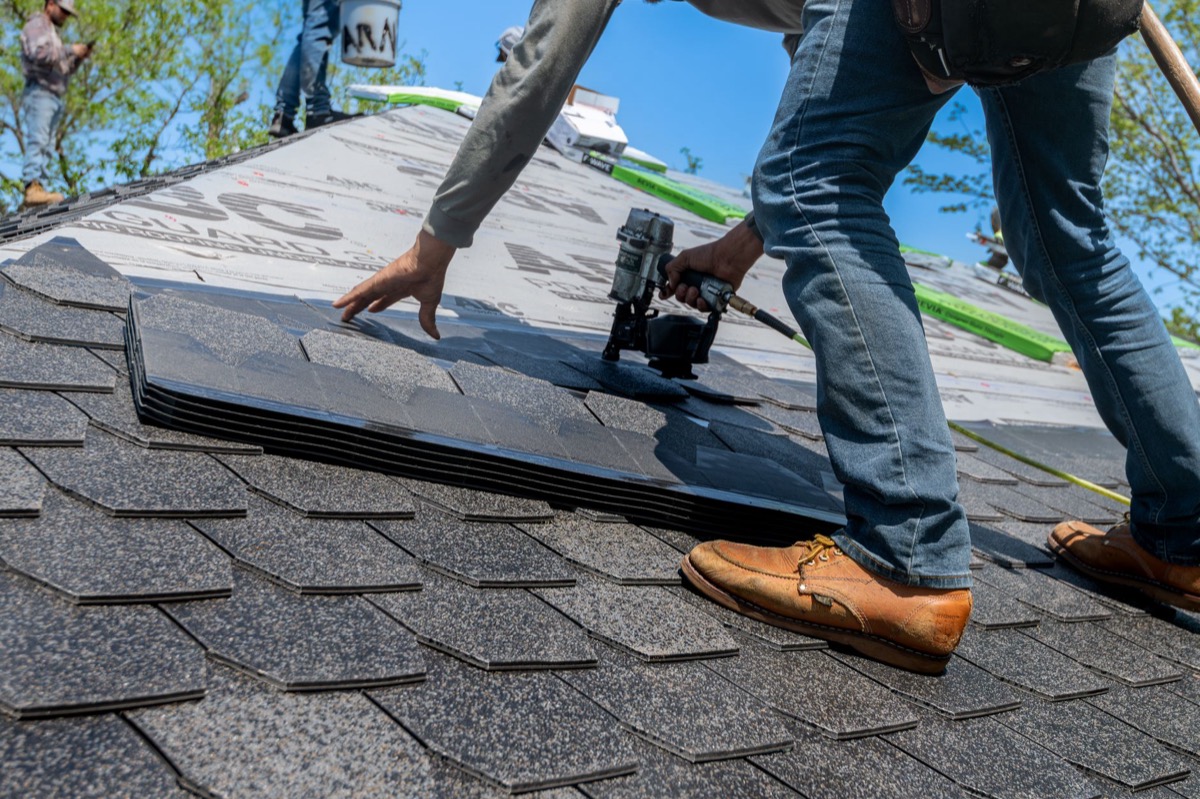
As Mississippi homeowners prepare for a new fortified roof program, the conversation around durable, weather-resilient roofing solutions is growing. Recent news highlights the increasing interest in protecting homes from nature's fury, whether from hurricanes, high winds, or hailstorms.
Fortified roof programs offer a pathway to enhanced protection, providing homeowners with specific standards and sometimes incentives to upgrade their roofs for superior performance. This guide explains what fortified roofing entails, its benefits, and how you can navigate the requirements to fortify your own home.
What is a FORTIFIED Home™ Roof?
A FORTIFIED Home™ roof is not just about using better materials; it's about a systems-based approach to roofing that has been developed and certified by the Insurance Institute for Business & Home Safety (IBHS). The FORTIFIED Home™ program establishes stringent construction standards designed to make homes more resilient to severe weather events, from high winds and hail to heavy rain and hurricanes. It focuses on strengthening vulnerable areas of the roof system.
- Sealed Roof Deck: A critical requirement is the use of a sealed roof deck, often achieved with a self-adhering membrane. This prevents water intrusion even if shingles are blown off, protecting the home's interior and contents.
- Enhanced Attachment: Shingles and other roof coverings must be attached using methods that resist high winds. This often includes specific nail patterns and sometimes adhesives.
- Perimeter Fastening: The edges of the roof, particularly gables and eaves, are reinforced with extra fasteners to prevent them from lifting in strong winds.
- Impact-Resistant Materials: FORTIFIED roofs often specify impact-resistant shingles or other coverings that can withstand hail and flying debris, typically meeting Class 3 or Class 4 ratings.
The core principle is that every component works together to create a stronger, more resilient barrier against the elements.
The Benefits of a FORTIFIED™ Roof
Investing in a FORTIFIED™ roof offers several significant advantages for homeowners:
- Superior Weather Protection: The primary benefit is enhanced protection against severe weather. By meeting IBHS FORTIFIED standards, your roof is built to better resist high winds, hail, and wind-driven rain, reducing the likelihood of catastrophic damage during a storm.
- Potential Insurance Premium Reductions: Many insurance companies in catastrophe-prone areas offer discounts on homeowner's insurance premiums for homes with FORTIFIED roofs. These savings can significantly offset the initial investment over time. Learn more about making a roof insurance claim if damage does occur.
- Increased Home Value: A FORTIFIED roof can be a valuable selling point, indicating to potential buyers that the home is more durable and less prone to storm damage, potentially increasing its market value.
- Reduced Repair Costs: While initial costs may be higher, the enhanced durability of a FORTIFIED roof can lead to fewer repairs and replacements over its lifespan, saving money in the long run.
- Peace of Mind: Knowing your home has a stronger, more resilient roof can provide significant peace of mind during hurricane season or periods of severe weather.
FORTIFIED Roof Requirements and State Programs
Meeting FORTIFIED roof requirements involves adhering to the specific standards set by IBHS. These are not general building codes but rather performance-based standards that exceed minimum requirements to provide superior protection. Key requirements generally include:
- Qualified Evaluation: An independent FORTIFIED Evaluator must inspect the roof project at various stages of construction to ensure compliance with the standards.
- Specific Material & Installation Standards: This includes a continuous sealed roof deck, enhanced fastening of shingles, and proper flashing. The exact specifications can vary slightly depending on the FORTIFIED designation (e.g., FORTIFIED Roof™, FORTIFIED Silver™, FORTIFIED Gold™).
- Certified Contractors: While not strictly a requirement for certification, using contractors who are familiar with FORTIFIED standards and best practices can streamline the process and ensure quality.
Many states, particularly those frequently impacted by severe weather, have recognized the value of FORTIFIED construction. Programs exist at state and local levels to incentivize homeowners to adopt these standards:
- State Grant Programs: Some states offer grants to help homeowners cover the cost of FORTIFIED upgrades. For example, Mississippi homeowners are preparing for a new program designed to encourage such improvements.
- Insurance Incentives: As mentioned, many state insurance departments mandate or encourage insurers to provide discounts for FORTIFIED homes.
- Tax Credits: In some regions, tax credits may be available for making qualifying home improvements that enhance resiliency; however, availability varies by state and year — verify with your state Department of Insurance or a tax professional before relying on this benefit.
To find programs in your area, start by checking your state's Department of Insurance website or visiting the IBHS FORTIFIED website, which often lists state-specific initiatives and certified evaluators.
Getting Started with a FORTIFIED™ Roof Upgrade
If you're considering a FORTIFIED™ roof, here's a general roadmap:
- Research Local Programs: Begin by investigating if your state or local government offers any grants, tax incentives, or insurance premium reductions for FORTIFIED Home™ improvements.
- Find a FORTIFIED-Certified Professional: Seek out contractors and independent evaluators who are certified or have extensive experience with FORTIFIED standards. This ensures that the installation meets the rigorous requirements for certification.
- Get Detailed Estimates: Obtain bids from multiple qualified contractors. Use our free roofing calculator to get a preliminary estimate of the materials needed for your roof area, which can help in evaluating bids. For precise measurements, check out our guide on How to Measure a Roof.
- Understand the Certification Process: Your chosen contractor and a FORTIFIED Evaluator will guide you through the inspection stages during construction. Once complete, you'll receive a FORTIFIED Home™ designation.
- Inform Your Insurer: Provide your insurance company with your FORTIFIED certification documentation to inquire about potential premium discounts.
6/12 roof pitch — rise, run, and angle
Key Takeaways
- FORTIFIED roofs are built to specific IBHS standards, offering superior protection against severe weather.
- Key requirements include a sealed roof deck, enhanced shingle attachment, and perimeter reinforcement.
- Homeowners can benefit from increased resilience, potential insurance premium reductions, and higher home value.
- Many states offer programs, grants, or incentives to encourage FORTIFIED roof upgrades.
- The process involves using specific construction methods, often with certified contractors and independent evaluators to ensure compliance.
Try It Yourself — Free
Whether you're planning a FORTIFIED upgrade or just routine maintenance, accurate measurements are key to any roofing project. Use our free roofing calculator to estimate materials like shingles and understand your roof's area, or explore our Attic Ventilation Guide for a comprehensive approach to your roof system's health.
Related Resources
- Attic Ventilation Guide
- Gutter Downspout Sizing Guide
- How Many Shingles Do I Need
- How to Measure a Roof
- Complete Guide
More From Our Network
- Duct Size Calculator — same niche
- cyberfrad — our network
Sources
- WLOX — Original report
- Insurance Institute for Business & Home Safety (IBHS) — FORTIFIED Home™ is a set of voluntary construction and re-construction standards developed by the Insurance Institute for Business & Home Safety (IBHS) designed to strengthen homes against severe weather.
- Insurance Institute for Business & Home Safety (IBHS) — Many states offer insurance incentives for FORTIFIED Home construction.