Why Are Roof Replacement Costs Rising?
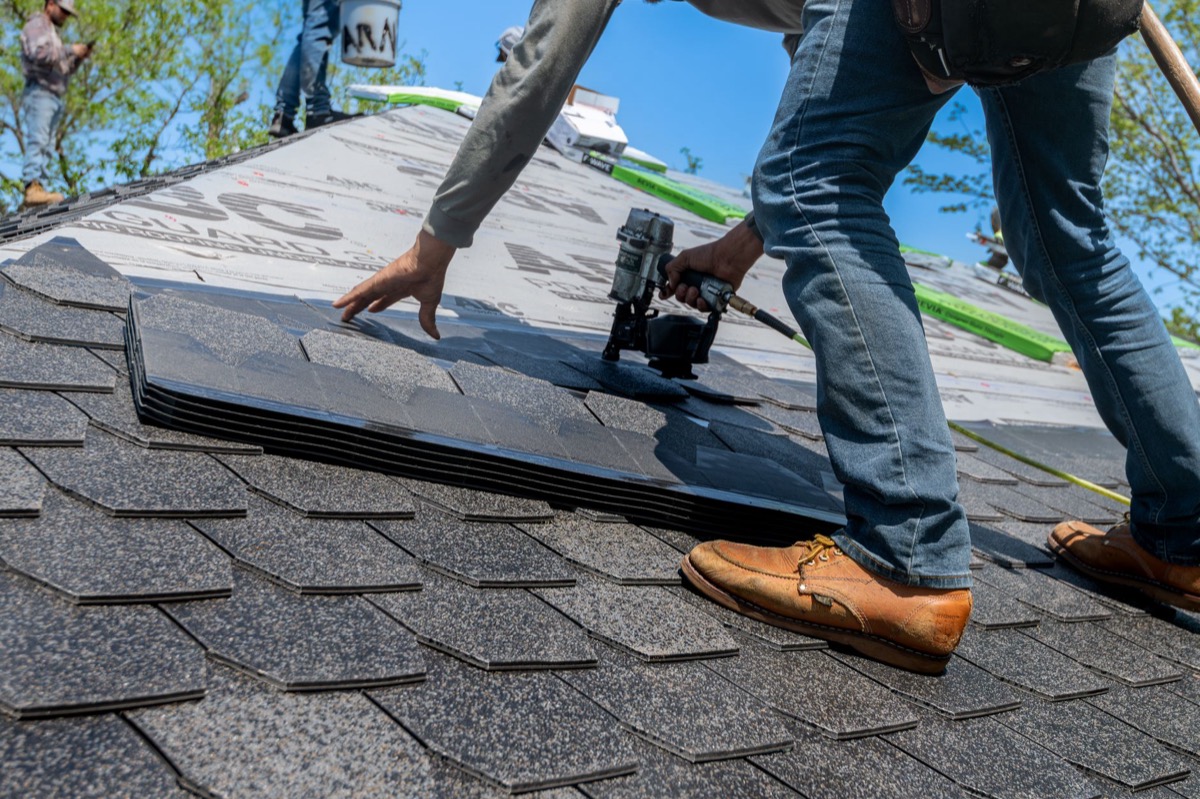
Recent reports indicate a notable trend: roof replacement costs are increasing, even as the number of insurance claims for roofing projects declines. This shift, highlighted by a report in Roofing Contractor, suggests a more complex array of factors influencing the final price tag for homeowners and professionals alike.
Understanding these contributing elements can help you better prepare for your next roofing project and estimate your budget accurately using our free roofing calculator.
Soaring Material and Manufacturing Costs
The price of roofing materials is a primary driver of rising replacement costs. Common materials like asphalt shingles rely on petroleum products, making them susceptible to fluctuations in oil prices. Similarly, metal roofing materials, such as steel and aluminum, are affected by global commodity markets and energy costs associated with their extraction and processing. Supply chain disruptions, often exacerbated by global events, can further limit availability and drive up prices for everything from shingles and underlayment to fasteners and sealants.
- Asphalt Shingles: Derived from crude oil, their cost is tied to global energy markets.
- Metal Roofing: Prices for steel and aluminum are influenced by mining, smelting, and manufacturing energy costs. You can explore estimated costs for these materials with our metal roof cost calculator.
- Accessory Materials: Even components like flashing, adhesives, and insulation see price increases due to their raw material inputs and manufacturing processes.
Accurate material estimation is crucial. Use our free roofing calculator to help determine how many shingles you need or the overall square footage for other materials.
Skilled Labor Shortages and Wage Increases
The roofing industry, like many skilled trades, faces ongoing challenges with labor availability. A shortage of experienced roofers means that demand for qualified professionals often outstrips supply, leading to increased labor costs. These higher wages reflect the specialized skills, physical demands, and safety requirements of roofing work.
- High Demand: A robust housing market and the need for repairs on existing structures keep demand for roofing services consistently high.
- Specialized Skills: Roofing requires specific knowledge of installation techniques, building codes, and safety protocols.
- Competitive Wages: To attract and retain talent, roofing contractors must offer competitive compensation, which is then factored into project bids.
Increasing Severity of Weather Events
Climate patterns are contributing to more frequent and intense severe weather events, including hailstorms, high winds, and heavy rainfall. These events cause widespread damage, increasing the need for emergency repairs and full roof replacements. In response, homeowners and building codes are increasingly favoring more resilient, and often more expensive, roofing materials and installation methods designed to withstand harsher conditions.
- Storm Damage: More intense storms mean greater potential for significant roof damage, necessitating costly repairs or full replacements.
- Resilient Materials: There's a growing demand for durable materials like impact-resistant shingles or advanced metal roofing systems that offer better protection against extreme weather.
- Evolving Building Codes: Many regions are updating building codes to require stronger, more weather-resistant roofs, adding to overall project costs but offering enhanced long-term protection. Understanding these codes can also impact decisions about elements like attic ventilation and gutter downspout sizing.
Inflation and Broader Economic Pressures
Beyond specific industry factors, general economic inflation plays a significant role in the rising cost of roof replacements. Increased costs for fuel directly impact the transportation of materials to job sites, while rising interest rates can affect contractors' operating costs and, consequently, their pricing. These broader economic pressures filter down to nearly every aspect of a roofing project.
- Fuel and Transportation: Higher diesel prices increase delivery costs for materials and equipment.
- Operating Costs: Everything from insurance premiums to administrative expenses for roofing companies can rise due to inflation.
- Overall Market Trends: A general increase in the cost of goods and services across the economy inevitably pushes up the average roof replacement cost.
When considering an insurance claim for roof damage, remember that inflation can also impact the payouts and your out-of-pocket expenses.
6/12 roof pitch — rise, run, and angle
Key Takeaways
- Roof replacement costs are rising due to a combination of material prices, labor shortages, and environmental factors.
- Global supply chain issues and general economic inflation significantly impact the cost of roofing materials and project logistics.
- More severe weather events are driving demand for resilient, often more expensive, roofing materials and construction methods.
- Understanding these trends helps homeowners budget effectively and make informed decisions for their roofing projects.
Try It Yourself — Free
Navigating the rising average roof replacement cost can be challenging, but our free tools are here to help. Use our free roofing calculator to accurately estimate your material needs and project scope. For specific measurements, our How to Measure a Roof guide can be an invaluable resource.
Related Resources
- Attic Ventilation Guide
- Gutter Downspout Sizing Guide
- How Many Shingles Do I Need
- How to Measure a Roof
- Complete Guide
More From Our Network
- Duct Size Calculator — same niche
- cyberfrad — our network
Sources
- Roofing Contractor — Original report
- Roofing Contractor — Roof replacement costs are increasing, even as the number of insurance claims for roofing projects declines.