Shingles on roof curling
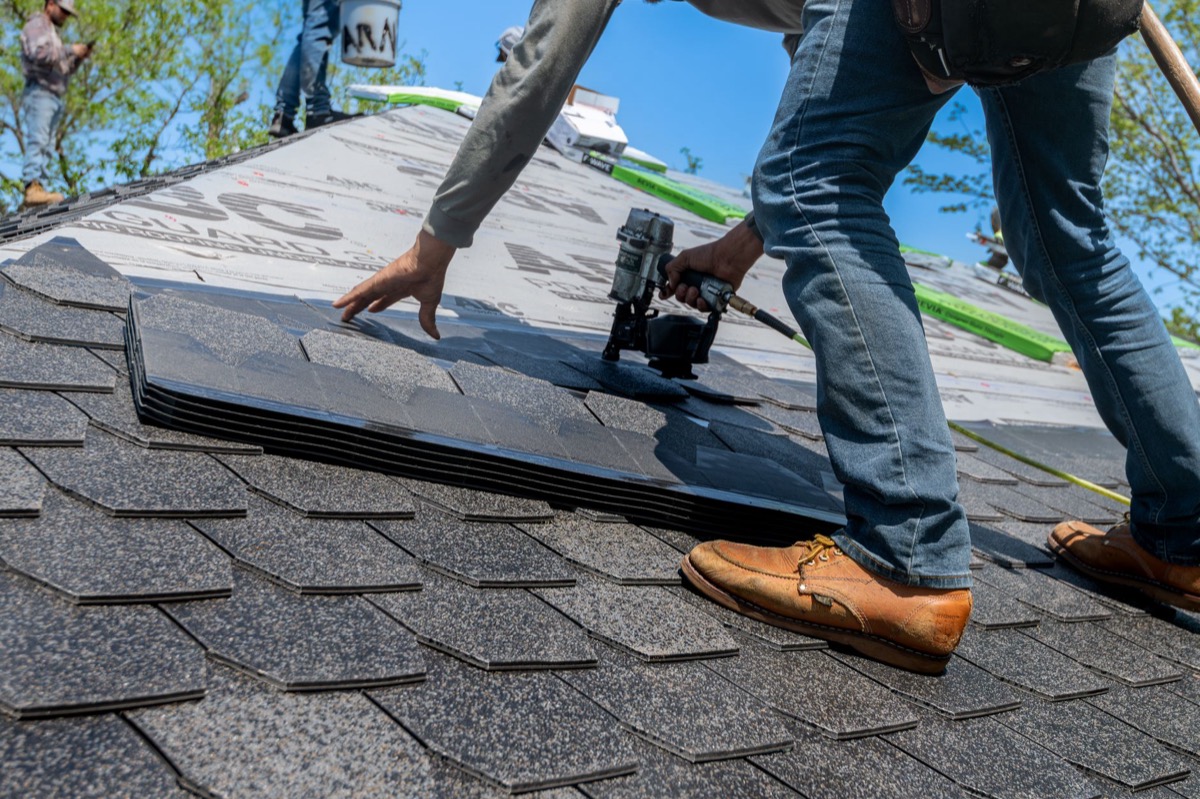
What Are Curling Shingles?
Curling shingles are asphalt shingles that have begun to lift, bend, or deform at the edges or center instead of lying flat against the roof deck.
This deformation is a visible warning sign that a roof's protective layer may be compromised, potentially allowing water to penetrate the home.
Common Causes of Shingle Curling
Age is one of the most frequent contributors to curling shingles, as asphalt materials naturally lose flexibility and oils over time, causing them to shrink and warp.
Poor attic ventilation is another leading cause — when heat and moisture build up beneath the roof deck, they accelerate the degradation of shingle materials and can cause them to curl upward or cup downward.
Two Types of Curling: Cupping vs. Clawing
Cupping occurs when the edges of a shingle turn upward, forming a concave shape, and is often linked to moisture imbalance between the top and bottom layers of the shingle.
Clawing is when the edges stay flat but the middle of the shingle begins to rise, which is typically associated with an aging or drying-out shingle that has lost its structural integrity.
What to Do If Your Shingles Are Curling
Curling shingles often indicate that a partial repair or full roof replacement may be needed, depending on how widespread the damage is across the roof surface.
Homeowners dealing with curling shingles can use a free roofing calculator at / to estimate material quantities and project costs before contacting a roofing contractor. Quality shingle products, such as those offered by roofing manufacturers, can improve long-term roof performance when installed correctly.
Key takeaways
- Curling shingles can take two forms — cupping (edges lift) or clawing (center rises) — and each signals different underlying issues.
- Age and poor attic ventilation are among the most common reasons shingles begin to curl and lose their flat profile.
- Widespread curling across a roof is often a sign that replacement, not just spot repair, may be the most effective solution.
Related tools
Estimate materials with our free roofing calculator on Roofing Calculator.